
Home
>
Properties We Inspect
>
Retail Properties
COMMERCIAL & MULTIFAMILY INSPECTIONS
Retail Property Inspections
Understand your retail property before buying, leasing, or managing the space. Duke’s Commercial Inspections provides retail property inspections that help you evaluate building conditions and identify concerns relevant to your next business or property decision.
Key Considerations for Retail Property Inspections
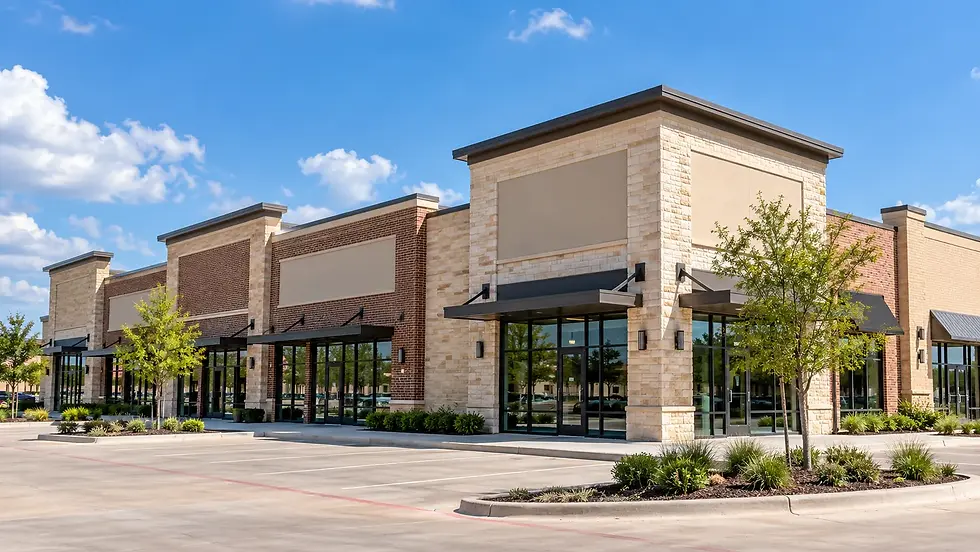
Retail properties range from individual storefronts to buildings with multiple tenants and shared facilities. The unit boundaries, customer areas, and current layout provide useful context for your inspection request.
Storefronts & Customer Entrances
Storefront glazing, exterior doors, and entrance areas form the public-facing edge of a retail space. Note known leaks, damage, or past repairs and identify which exterior areas are associated with the property.
Sales Floors & Tenant Improvements
Sales areas, fitting rooms, stockrooms, and service counters reflect the needs of past and current occupants. Share information about interior alterations and areas that have been partitioned or repurposed.
Shared Systems & Common Areas
Retail suites may share roofs, building systems, parking areas, and service corridors with neighboring tenants. Clarify which spaces are involved in your request and what access is available outside the individual unit.
Trading Hours & Back-of-House Access
Customer activity, merchandise displays, and stockroom storage can affect access and visibility. Discuss business hours and any restrictions on entering sales areas, service spaces, or equipment rooms before the inspection.
For an overview of the inspection process and general building considerations, explore our commercial inspection services.
Property Size & Unit Boundaries
Share the address, suite number, approximate square footage, and number of retail units involved. Identify whether your request concerns an individual storefront, a standalone building, or multiple spaces.
Occupancy & Customer Activity
Tell us whether the space is open for business, vacant, or undergoing changes. Note trading hours, tenant coordination requirements, and any areas concealed by merchandise or fixtures.
Your Plans & Preferred Timing
Let us know whether you’re purchasing, leasing, selling, or managing the property. Describe any intended changes in use and include relevant deadlines or preferred inspection dates.
Alterations & Available Records
Mention known leaks, recurring maintenance issues, and previous tenant improvements. Let us know whether floor plans, maintenance records, or earlier inspection reports are available.
Retail Property Inspection FAQs
Should I request an inspection of my retail suite or the whole property?
Describe the space involved in your transaction or ownership decision. A retail suite may depend on shared roofs, building systems, and common areas beyond its walls. Duke’s can discuss the proposed inspection boundaries and access needed for your request.
What if the retail space is being renovated or fitted out?
Share the current stage of work, the areas affected, and your intended use. Construction activity and unfinished or concealed areas may affect access and visibility. Discuss these conditions and your timing before the proposed inspection scope is agreed.
Does a retail property inspection include display fixtures or business equipment?
Identify any display fixtures, refrigeration units, security equipment, or other business assets you want evaluated. Do not assume they are included in a building inspection. Duke’s can clarify the proposed scope and whether a separate evaluation is needed.

Ready to Discuss Your Property?
Tell us about your commercial or multifamily property, its location, and your inspection needs. Start your request with Duke’s Commercial Inspections.